
The orbital cloud,
engineered for AI.
STELLAR is building orbital data-center infrastructure for compute, storage, and secure workload execution beyond Earth. Process mission data closer to space, expand beyond terrestrial constraints, and connect orbital systems to the cloud economy.
Infrastructure moves where energy, data, and security demand it.
AI demand is colliding with power, cooling, land, and permitting constraints. Space systems are generating data that should not always wait for Earth. STELLAR turns orbit into a new infrastructure layer: compute, store, verify, and deliver.

A data center is not launched. It is operated.
Compute in orbit
Run AI, autonomy, and mission-data workloads close to orbital assets instead of moving every byte to Earth first.
Store with resilience
Persist critical data through contact gaps with integrity checks, priority queues, and verified delivery workflows.
Operate as infrastructure
Expose orbital capacity through APIs, mission operations, partner hardware, ground networks, and cloud handoff.
Each mission adds a harder capability.
From concept architecture to repeatable software mission proof.
From ground simulation to hosted orbital payload.
From payload validation to early commercial service.
From single node to clustered infrastructure.
From clustered infrastructure to secure service region.
From mission nodes to orbital cloud network.

AI capacity
Power, cooling, and permitting are becoming strategic constraints for terrestrial data centers.
Space data
Satellites and sensors create more data than traditional downlink-first workflows can comfortably absorb.
Resilience
Sovereign and enterprise customers need physically separated infrastructure patterns.
Category timing
Orbital compute is moving from speculation to staged infrastructure programs.
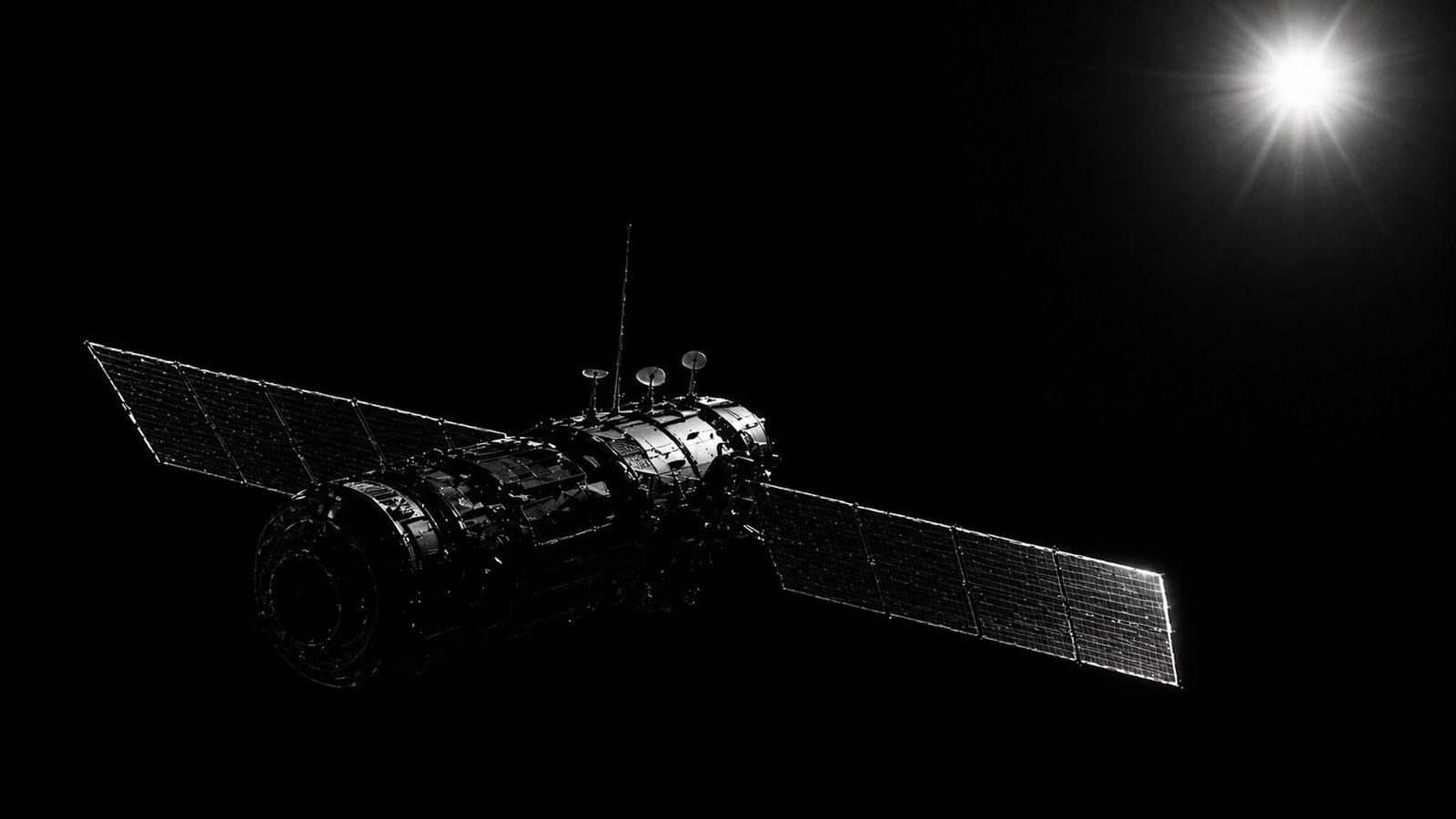
Build the orbital data infrastructure ecosystem.
STELLAR works with spacecraft providers, launch companies, compute hardware vendors, thermal systems partners, ground networks, cloud platforms, and mission customers.